


The Howo/Sitrak truck parts inventory includes the 200V98130-0671 screw-in fitting, a threaded fluid connector engineered to provide reliable, leak-free connections between hydraulic or pneumatic components and the threaded ports in manifolds, cylinders, valves, and other fluid system elements. This screw-in fitting features a male threaded end that screws directly into a tapped port, with the opposite end configured to accept a tube, hose, or additional fitting component. Manufactured from high-quality materials with precision-machined threads and sealing surfaces, this fitting is designed to withstand the pressure, vibration, and environmental conditions of heavy-duty commercial vehicle fluid systems in Howo and Sitrak truck platforms.

Screw-In Fitting
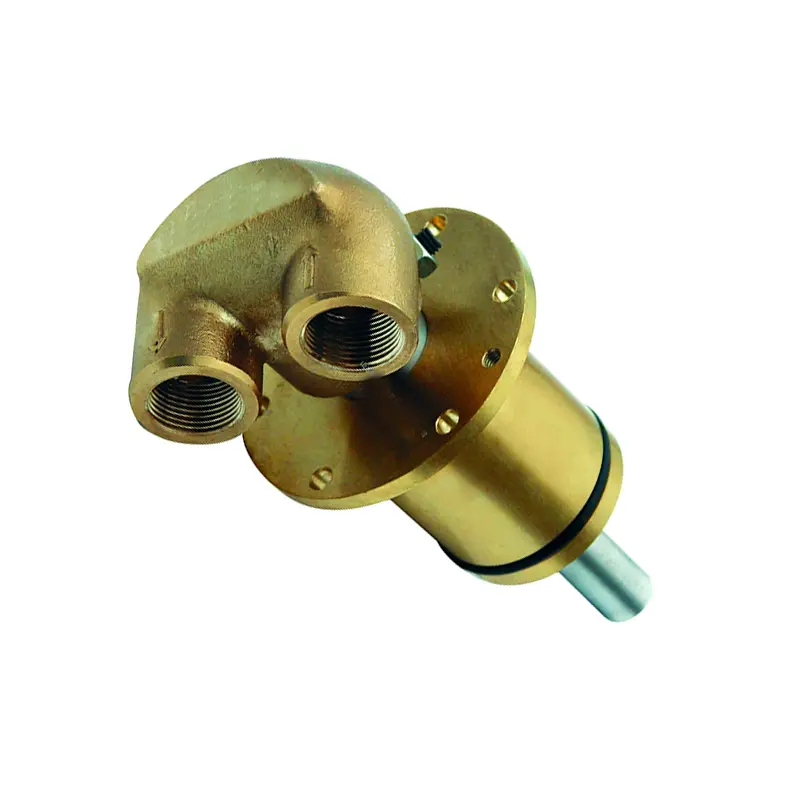
Ввинчиваемый фитинг
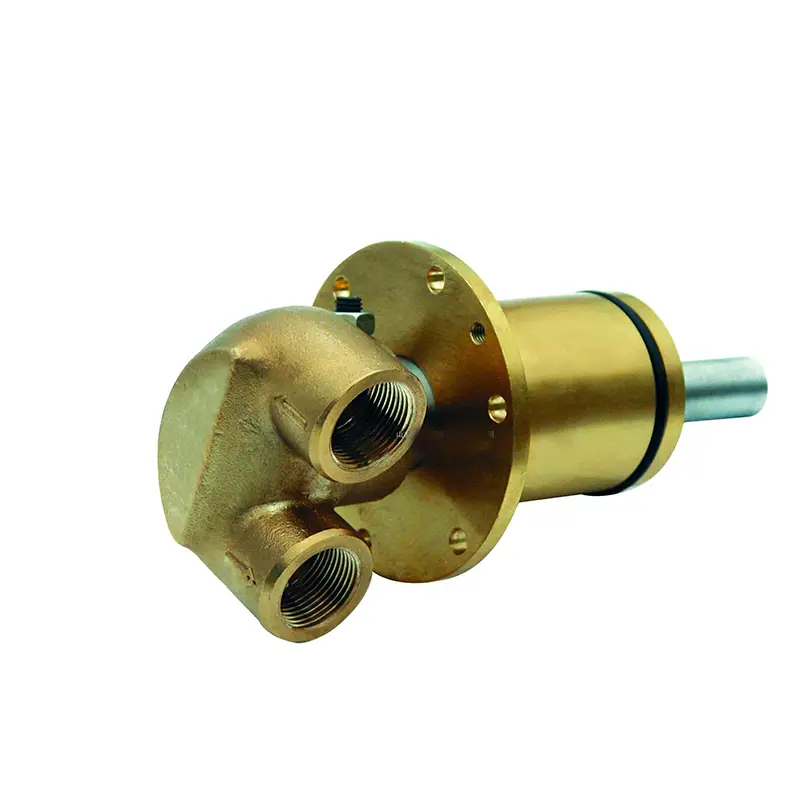
Racor roscado
The 200V98130-0671 screw-in fitting features precision-machined threads that are produced to exacting tolerances on CNC lathes equipped with thread-rolling or thread-cutting tooling. The thread form, pitch, and class of fit are specified to provide the optimal balance between ease of assembly, thread engagement strength, and sealing performance. The threads are typically produced to the ISO metric fine thread standard or the equivalent SAE straight thread specification, with the thread class being selected to provide a controlled clearance between the male and female threads that accommodates the thread sealant or O-ring seal while maintaining sufficient thread engagement for the required pressure rating. The thread crests and roots are radiused to reduce stress concentrations that could initiate fatigue cracks under cyclic pressure loading, and the thread flanks are finished to a surface roughness that provides consistent friction characteristics for torque-controlled assembly. The threaded portion of the fitting is long enough to provide full thread engagement with the mating port, with the thread length being designed to ensure that the fitting shoulder or sealing surface contacts the port face before the fitting bottoms out on the threads. The transition between the threaded portion and the fitting body is radiused to eliminate the sharp corner that would otherwise create a stress concentration and reduce the fatigue life of the fitting. The precision of the thread machining is verified through inspection using thread gauges, optical comparators, or coordinate measuring machines, ensuring that each fitting will assemble correctly and reliably into the intended port.
The sealing system of this screw-in fitting is engineered to provide reliable, leak-free performance across the full range of operating pressures, temperatures, and fluid types encountered in vehicle fluid systems. The fitting incorporates a sealing feature that creates a pressure-tight seal between the fitting and the port, preventing fluid leakage at the threaded interface. The most common sealing configurations for screw-in fittings include the O-ring boss seal, where an elastomeric O-ring is compressed between the fitting shoulder and the port face to create a face seal; the tapered thread seal, where the interference between the tapered male and female threads creates a metal-to-metal seal; and the bonded seal, where a metal washer with an elastomeric sealing element is compressed between the fitting shoulder and the port face. The O-ring boss seal configuration provides the most reliable sealing performance across a wide range of pressures and temperatures, as the O-ring seal is independent of the thread torque and can accommodate minor surface irregularities on the port face. The O-ring material is selected for compatibility with the specific fluid being conveyed, with nitrile rubber (NBR) being used for petroleum-based fluids, fluorocarbon rubber (FKM) for high-temperature applications, and ethylene propylene rubber (EPDM) for brake fluid and other synthetic fluids. The O-ring groove geometry is designed to provide the specified compression ratio and groove fill, ensuring that the O-ring is properly retained and that the seal compression is maintained throughout the service life of the fitting.
The fitting body is manufactured from materials that are selected for their combination of mechanical strength, corrosion resistance, and compatibility with the conveyed fluid. For steel fittings, the material is typically a free-machining carbon steel or alloy steel that provides the necessary tensile strength for the pressure rating while being readily machinable to the required tolerances. The steel is heat-treated as necessary to achieve the specified mechanical properties, with the heat treatment being selected to provide the optimal balance between strength and ductility for the application. The fitting is protected against corrosion by a surface treatment such as zinc plating with a chromate conversion coating, which provides sacrificial corrosion protection and a consistent appearance. For applications requiring higher corrosion resistance, the fitting may be manufactured from stainless steel, typically AISI 304 or 316 grade, which provides excellent resistance to corrosion in wet or chemically aggressive environments without the need for additional surface coatings. For brass fittings, the material is typically a leaded brass alloy that provides good machinability, moderate strength, and excellent corrosion resistance in water and mild chemical environments. The material selection is based on the specific requirements of the application, including the operating pressure, the fluid type, the temperature range, and the environmental exposure conditions. The mechanical properties of the fitting material are verified through tensile testing, hardness testing, and chemical analysis on a sample basis from each material lot, ensuring that the material consistently meets the specified requirements.
The fitting body incorporates a hexagon-shaped drive feature that provides the wrenching surface for tightening the fitting into the port during assembly. The hex size is selected to provide sufficient wrenching area for the specified assembly torque without requiring an excessively large wrench, and the hex is dimensioned to the appropriate standard for metric or inch-sized wrenches. The hex faces are machined flat and parallel to ensure proper engagement with the wrench and to prevent the wrench from slipping off during tightening, which could damage the fitting surface and create a safety hazard for the technician. The transition between the hex and the fitting body is radiused to reduce the stress concentration at this geometric discontinuity, which is a common location for fatigue crack initiation in fittings subjected to vibration or cyclic pressure loading. The fitting may also incorporate a flange or shoulder that provides a positive stop when the fitting is fully tightened, ensuring that the sealing surface is properly engaged and preventing over-tightening that could damage the threads or the sealing element. The shoulder face is machined flat and perpendicular to the thread axis to ensure uniform contact with the port face and proper compression of the sealing element. The fitting may also include a marking or identifier that indicates the thread size, the material, or the manufacturer’s identification, providing traceability for quality assurance and warranty purposes.
| Parameter | Specification | Details |
|---|---|---|
| OEM Part Number | 200V98130-0671 | Sinotruk Original |
| Body Material | Free-Cutting Steel | Zinc Plated |
| Thread Type | Metric Fine / SAE | Precision Machined |
| Seal Type | O-Ring Boss / Bonded | NBR or FKM |
| Max Working Pressure | Up to 400 Bar | Application Dependent |
| Temperature Range | -40°C to +150°C | Seal Dependent |
| Surface Treatment | Zinc + Chromate | Corrosion Resistant |
| Hex Size | Per Standard | Application Specific |
| Compatible Fluids | Hydraulic Oil, Diesel, Coolant | Seal Dependent |
| Net Weight | 0.05-0.15 kg | Size Dependent |
The precision-machined threads on this fitting ensure reliable assembly and consistent sealing performance, which is critical for preventing fluid leaks in pressurized systems. The thread dimensions are controlled to tolerances that are specified in the relevant international standards, such as ISO 261 for metric threads or ASME B1.1 for unified inch threads, and the thread class is selected to provide the appropriate fit for the application. The thread surface finish is controlled to provide consistent friction characteristics, which is important for achieving the specified preload when the fitting is tightened to a torque specification. The thread quality is verified through inspection using thread gauges that check the thread form, pitch, and functional size, with fittings that do not meet the gauge acceptance criteria being rejected. This level of thread quality control is a key differentiator from lower-cost aftermarket fittings that may have thread dimensions that are inconsistent or that do not conform to the specified standard, potentially resulting in assembly difficulties, thread damage, or leakage in service.
The elastomeric sealing system provides reliable, maintenance-free sealing performance that is independent of the thread torque, unlike tapered thread fittings that rely on thread interference for sealing. The O-ring or bonded seal element is compressed between the fitting shoulder and the port face when the fitting is tightened, creating a seal that is maintained by the elastic recovery of the seal material. This sealing mechanism is less sensitive to variations in assembly torque than thread sealants, and it does not require the application of sealant tape or compound during assembly, reducing the assembly time and eliminating the potential for sealant contamination of the fluid system. The seal material is selected for compatibility with the specific fluid and temperature range of the application, and the seal is replaced with a new component each time the fitting is removed and reinstalled, ensuring that the sealing performance is maintained over multiple service cycles. The O-ring groove or seal retention feature is designed to prevent the seal from being displaced during assembly or from extruding under pressure, ensuring that the seal remains in the correct position throughout the service life of the fitting.
The zinc plating with chromate conversion coating provides effective corrosion protection for the steel fitting body, preventing the rust formation that can compromise the appearance and the structural integrity of the fitting. The zinc coating provides sacrificial corrosion protection, with the zinc corroding preferentially to the steel substrate if the coating is damaged and the steel is exposed. The chromate conversion coating provides additional corrosion protection and also serves as a primer for paint adhesion if the fitting is to be painted after installation. The coating thickness is controlled to ensure that the thread dimensions are not affected, with the coating allowance being accounted for in the machining dimensions of the threads. The coating is applied through an electroplating process that ensures uniform coverage of all surfaces, including the internal passages and the thread roots, and the coating adhesion is verified through bend testing or tape testing on a sample basis. The coating is also resistant to the common fluids encountered in vehicle service, including hydraulic oil, diesel fuel, engine coolant, and windshield washer fluid, ensuring that the corrosion protection is maintained even if the fitting is exposed to these fluids during service or maintenance operations.
The design of the hex drive feature and the fitting shoulder provides reliable assembly characteristics that reduce the risk of damage during installation and ensure consistent sealing performance. The hex size is optimized for the specified assembly torque, with the hex being large enough to provide sufficient wrenching area without being excessively large, which would increase the fitting size and weight. The hex faces are machined to the specified width across flats tolerance, ensuring proper engagement with standard wrenches and sockets. The fitting shoulder provides a positive stop that prevents over-tightening, which could damage the threads, deform the sealing surface, or extrude the sealing element. The shoulder face is machined flat and perpendicular to the thread axis, ensuring uniform contact with the port face and proper compression of the sealing element. The fitting may also incorporate a visual indicator, such as a colored marking on the hex or the shoulder, that provides confirmation of proper assembly when the marking is aligned with a reference feature on the port. These design features contribute to the reliability and ease of assembly of the fitting, reducing the potential for assembly errors that could result in leakage or fitting failure in service.
The correct assembly of a screw-in fitting is essential to achieving the intended sealing performance and preventing damage to the fitting or the port. Before assembly, the fitting threads and the port threads should be inspected for damage, corrosion, or contamination that could interfere with proper assembly. The sealing element, whether an O-ring or a bonded seal, should be inspected for cuts, nicks, or deterioration and replaced if any damage is found. The O-ring should be lubricated with a compatible fluid or assembly lubricant before installation to reduce friction and prevent the O-ring from rolling or twisting during assembly. The fitting should be started into the port by hand to ensure that the threads are properly engaged and that there is no cross-threading, and then tightened using a wrench on the hex until the fitting shoulder contacts the port face. The fitting should be tightened to the specified torque using a calibrated torque wrench, as over-tightening can damage the threads, deform the sealing surface, or extrude the sealing element, while under-tightening can result in insufficient seal compression and leakage. The recommended torque value depends on the thread size, the fitting material, and the seal type, and should be obtained from the vehicle’s service manual or the fitting manufacturer’s specification. After assembly, the connection should be visually inspected to verify that the fitting shoulder is in contact with the port face and that the sealing element is properly compressed. The system should be pressurized and the connection inspected for leaks before the vehicle is returned to service.
Screw-in fittings are designed to be reusable, provided that they have not been damaged during removal and that the sealing surfaces and threads remain in good condition. When removing the fitting, the wrench should be applied to the hex and turned counterclockwise with steady force, avoiding the use of impact tools that could damage the hex or the fitting body. The fitting should be removed completely from the port and inspected for damage including thread deformation, hex rounding, sealing surface damage, and corrosion. The O-ring or bonded seal should be removed and discarded, as the seal element should be replaced with a new component each time the fitting is reinstalled. The port threads should be inspected for damage and cleaned to remove any debris or old seal material that could prevent proper sealing of the new seal element. The fitting should be reinstalled following the assembly guidelines, with a new seal element and the specified torque. If the fitting shows signs of thread damage, hex rounding, or corrosion that could compromise the assembly or sealing performance, it should be replaced with a new OEM component. The cost of a replacement fitting is modest compared to the potential consequences of a fitting failure, which could include fluid leakage, loss of system pressure, and potential damage to connected components. Regular inspection of accessible fittings should be incorporated into the vehicle’s preventive maintenance program to identify any fittings that show signs of leakage, corrosion, or damage before they fail in service.
This screw-in fitting is used in various fluid systems on Howo and Sitrak heavy trucks, including the hydraulic steering system, the pneumatic brake system, the fuel system, and the engine cooling system. It serves as the interface between flexible hoses or rigid tubes and the threaded ports in components such as the steering gear, brake valves, fuel filter housings, and coolant manifolds. The specific thread size and configuration of the fitting are matched to the port in the component, ensuring a direct replacement without the need for adapters or modifications. The fitting is designed to withstand the pressure, temperature, and vibration conditions of the specific application, and the seal material is selected for compatibility with the fluid being conveyed. Fleet operators should verify the correct fitting part number by referencing the vehicle’s parts catalog or by comparing the thread size, seal type, and overall configuration of the replacement fitting with the removed component.
The use of thread sealant on a screw-in fitting with an O-ring boss or bonded seal is generally not recommended and may actually compromise the sealing performance. The O-ring or bonded seal provides the primary seal at the fitting shoulder-to-port face interface, and the threads are not intended to provide a seal. Applying thread sealant to the threads can interfere with the proper torque-tension relationship, as the sealant acts as a lubricant that reduces the thread friction and can result in excessive preload for a given torque value. The sealant can also contaminate the O-ring seal if it is carried into the sealing area during assembly, potentially causing the O-ring to swell, soften, or otherwise degrade. Additionally, excess sealant can break off and enter the fluid system, potentially causing contamination of sensitive components such as valves, filters, and orifices. If the fitting is leaking at the threaded interface despite proper assembly and torque, the cause of the leak should be investigated rather than attempting to seal the leak with thread sealant. Possible causes include damage to the port threads, damage to the fitting sealing surface, or an incorrect fitting for the application. The use of thread sealant on tapered thread fittings, which rely on thread interference for sealing, is a different matter and may be appropriate when specified by the manufacturer.
The correct tightening torque for a screw-in fitting depends on the thread size, the fitting material, and the seal type, and should be obtained from the vehicle’s service manual or the fitting manufacturer’s specification. As a general guideline, the fitting should be tightened until the fitting shoulder contacts the port face, and then tightened an additional fraction of a turn to compress the sealing element. The specific torque value is typically in the range of 20-50 Nm for fittings in the M12-M18 thread size range, though this can vary significantly depending on the specific application. The use of a calibrated torque wrench is recommended to ensure that the specified torque is achieved consistently, particularly in production or fleet maintenance environments where multiple fittings are being installed. The torque should be applied smoothly and steadily, without jerking or impacting the wrench, to ensure that the torque reading is accurate and that the fitting is not over-tightened. After tightening, the fitting position should be visually verified to confirm that the shoulder is seated against the port face and that the sealing element is properly compressed. If the fitting cannot be tightened to the specified torque without the shoulder contacting the port face, this may indicate that the fitting is bottoming out on the threads rather than on the shoulder, which could be caused by an incorrect fitting, damaged threads, or debris in the port. If the fitting bottoms out before the torque is achieved, the fitting should be removed and the cause investigated before proceeding with the installation.
The most common causes of leakage at a newly installed screw-in fitting include improper assembly torque, damaged or contaminated sealing surfaces, incorrect seal material or size, and damage to the O-ring during installation. If the fitting is under-tightened, the sealing element may not be compressed sufficiently to create a reliable seal, resulting in leakage at low pressure or when the system is pressurized. If the fitting is over-tightened, the sealing element may be extruded or damaged, or the fitting shoulder may be deformed, preventing proper seal compression. The sealing surface on the port face must be clean, flat, and free of scratches, corrosion, or debris that could prevent the sealing element from making uniform contact. The O-ring must be the correct size and material for the application, and it must be properly lubricated before installation to prevent it from rolling, twisting, or being cut during assembly. The O-ring can also be damaged if the fitting is cross-threaded during installation, as the misalignment can cause the O-ring to be pinched between the fitting shoulder and the port face at an angle. If the fitting continues to leak after verifying the assembly torque, inspecting the sealing surfaces, and replacing the O-ring, the fitting or the port may be damaged and require replacement or repair. The use of a thread sealant is not recommended as a remedy for leakage at an O-ring boss fitting, as the sealant does not address the root cause of the leakage and may introduce additional problems.
The screw-in fitting is one of the most fundamental and widely used components in vehicle fluid systems, providing the threaded interface between tubing, hoses, and the ports in fluid system components. The design of the screw-in fitting has evolved over more than a century of automotive and industrial fluid power applications, and modern fittings incorporate sophisticated sealing and retention features that provide reliable, leak-free performance in demanding operating conditions. The fitting must simultaneously satisfy several design requirements, including providing a mechanical connection that withstands the pressure forces and vibration loads, creating a reliable seal that prevents fluid leakage, and allowing for assembly and disassembly during manufacturing and maintenance operations. The design of the fitting involves the selection of the thread type and size, the sealing method, the material, and the surface treatment, with each of these choices being influenced by the specific requirements of the application.
The thread type is one of the most important design choices for a screw-in fitting, as it determines the strength of the mechanical connection, the compatibility with the mating port, and the assembly characteristics. The most common thread types used in vehicle fluid systems include the ISO metric thread, the SAE straight thread with O-ring boss, the British Standard Pipe (BSP) thread, and the National Pipe Thread (NPT). The ISO metric thread is widely used in European and Asian vehicle applications, and it is specified by the nominal diameter and the thread pitch, with fine pitch threads being preferred for fluid system applications because they provide greater thread engagement area and better resistance to vibration loosening. The SAE straight thread with O-ring boss is widely used in North American vehicle applications, and it provides a reliable sealing mechanism through the use of an O-ring that is compressed between the fitting shoulder and the port face. The BSP and NPT threads are tapered thread designs that create a seal through the interference between the tapered male and female threads, and they are commonly used in lower-pressure applications where the simplicity of the tapered thread seal is advantageous. The selection of the thread type for a specific application is based on the pressure rating, the fluid type, the assembly requirements, and the regional standards and conventions that apply to the vehicle design.
The sealing of threaded fluid connections is a critical aspect of fluid system design, as leakage at a threaded connection can result in fluid loss, system pressure decay, environmental contamination, and potential safety hazards. The sealing method must be selected based on the pressure rating, the fluid type, the temperature range, the assembly and disassembly requirements, and the expected service life of the connection. The most common sealing methods for threaded fittings include the elastomeric face seal, the metal-to-metal cone seal, the tapered thread seal, and the bonded seal washer. Each of these methods has specific advantages and limitations that make it suitable for particular applications. The elastomeric face seal, which uses an O-ring or a molded seal element compressed between the fitting shoulder and the port face, provides the most reliable and versatile sealing performance across a wide range of pressures and temperatures. The seal is independent of the thread torque, meaning that the sealing performance is not affected by variations in the assembly torque as long as the shoulder is in contact with the port face. The O-ring material can be selected to provide compatibility with a wide range of fluids, and the O-ring can be easily replaced during maintenance operations to restore the sealing performance.
The metal-to-metal cone seal, which uses a conical sealing surface on the 200V98130-0671 fitting that mates with a corresponding conical seat in the port, provides a robust seal that is suitable for very high-pressure applications where elastomeric seals may not be adequate. The cone seal relies on the plastic deformation of the sealing surfaces to create a leak-tight joint, and the seal is typically enhanced by the application of a high assembly torque that creates the necessary contact pressure. The cone seal is commonly used in high-pressure hydraulic systems, such as the power steering system and the hydraulic brake system, where pressures can exceed 200 bar. The tapered thread seal, which uses the interference between tapered male and female threads to create a seal, is a simple and cost-effective sealing method for lower-pressure applications. The seal is created by the wedging action of the tapered threads, which creates a metal-to-metal contact along the thread flanks, and the seal is typically enhanced by the application of a thread sealant or tape that fills any gaps in the thread interface. The tapered thread seal is commonly used in pneumatic systems, fuel systems, and coolant systems where the pressure is moderate and the simplicity of the tapered thread design is advantageous. The bonded seal washer, which consists of a metal washer with an elastomeric sealing element bonded to the inner diameter, provides a face seal that is similar to the O-ring boss seal but with the advantage that the seal element is retained by the metal washer and is less likely to be displaced during assembly.
The 200V98130-0671 screw-in fitting is a critical component in the fluid systems of Howo and Sitrak heavy trucks, providing the threaded interface between tubing, hoses, and component ports. The 200V98130-0671 fitting is manufactured to exacting OEM standards, with precision-machined threads, reliable sealing technology, and corrosion-resistant surface treatment that ensure leak-free performance throughout the service life of the vehicle.


