


The Howo/Sitrak truck parts inventory includes the 200V97401-0565 single circuit hose clamp, a precision-manufactured clamping device engineered specifically for securing fluid and air conveyance hoses in heavy-duty commercial vehicle applications. This single circuit hose clamp is designed to provide consistent, uniform radial clamping force around the circumference of hoses used in coolant systems, air intake ducts, turbocharger plumbing, and various fluid transfer circuits throughout Howo and Sitrak heavy truck platforms. Manufactured from high-grade spring steel with a corrosion-resistant surface treatment, this clamp maintains its mechanical properties and clamping integrity across the full range of engine bay operating temperatures and environmental conditions encountered in long-haul trucking operations.
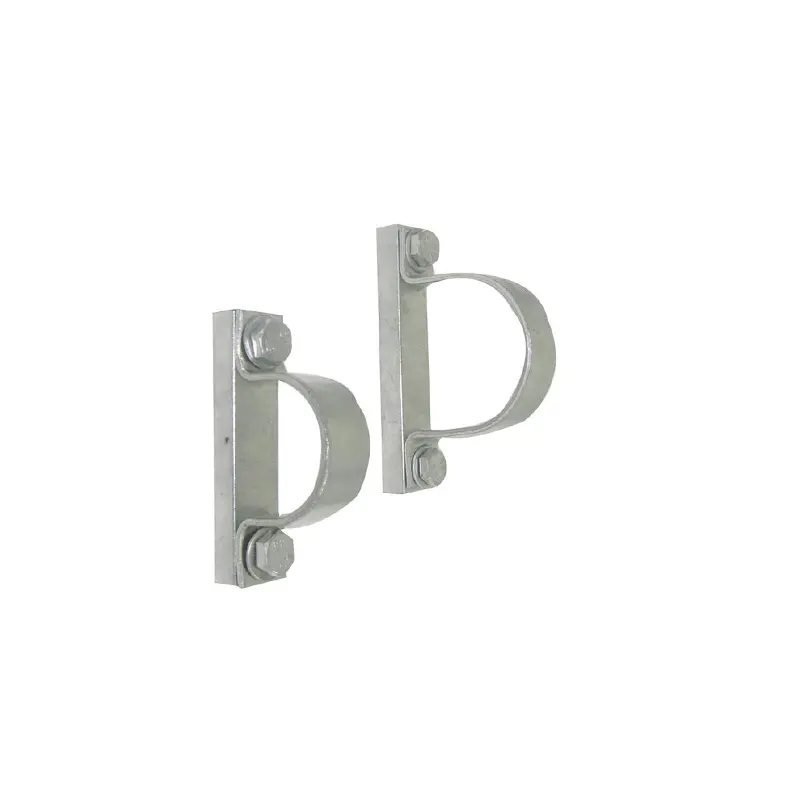
Single Circuit Hose Clamp
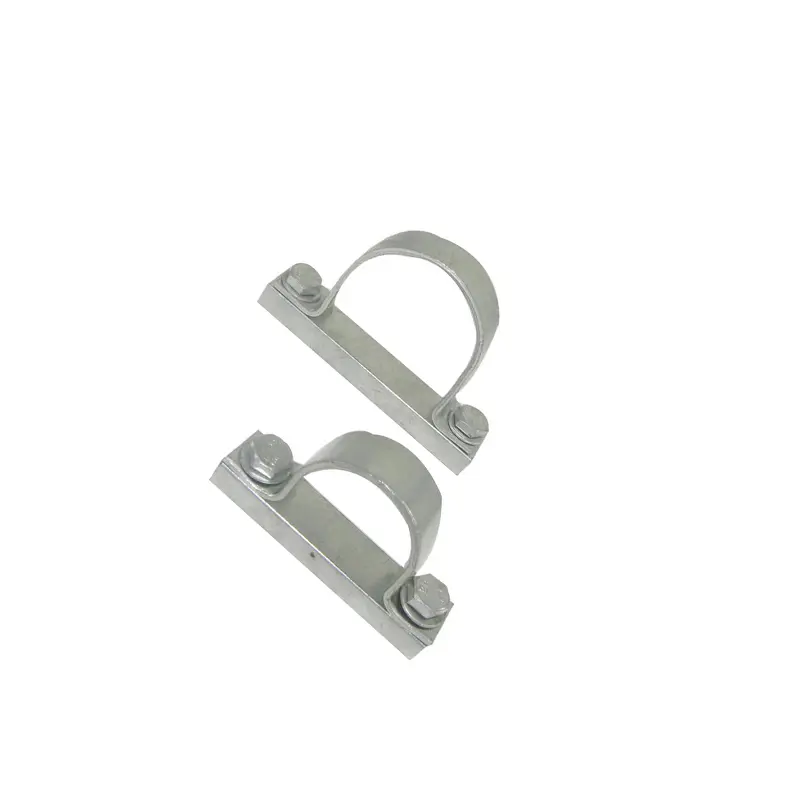
Хомут шланга одноконтурный

Abrazadera de manguera de circuito simple
The 200V97401-0565 single circuit hose clamp is fabricated from premium-grade spring steel that has been specifically selected for its combination of high tensile strength, excellent elastic recovery, and resistance to stress relaxation at elevated temperatures. The steel strip used in the manufacturing process undergoes a controlled hardening and tempering heat treatment cycle that achieves a Rockwell hardness range of 44-48 HRC, providing the optimal balance between the strength required to maintain clamping force and the ductility needed to resist cracking during installation and service. The cross-sectional profile of the band is engineered with a slight convex curvature on the inner surface, which distributes the clamping load more evenly across the hose surface and reduces the tendency for the clamp edges to cut into the hose material over time. The band edges are deburred and radiused through a precision tumbling process that eliminates sharp edges, preventing damage to the hose outer cover during installation and reducing the risk of mechanic injury during handling. The spring characteristics of the steel allow the clamp to automatically compensate for minor dimensional changes in the clamped assembly caused by thermal expansion and contraction, hose compression set, and cold flow of the hose material, maintaining a reliable seal throughout the service interval without requiring periodic retightening.
The surface treatment applied to this hose clamp provides comprehensive protection against the corrosive environment found in heavy truck engine compartments. The base steel is first subjected to a zinc phosphate conversion coating that provides an initial corrosion barrier and improves the adhesion of subsequent coating layers. Following the phosphate treatment, the clamp receives a zinc-aluminum flake coating applied through a dip-spin process that ensures complete coverage of all surfaces including the inner diameter of the band and the recessed areas around the tension mechanism. This coating system has been validated through 720 hours of neutral salt spray testing per ASTM B117 standards without exhibiting red rust formation on significant surfaces. The coating also provides galvanic corrosion protection between the steel clamp and the aluminum or stainless steel components it may contact in service, preventing the bimetallic corrosion that can occur when dissimilar metals are in electrical contact in the presence of an electrolyte such as road spray. The coating thickness is controlled within a narrow range of 8-12 microns to ensure that the dimensional fit of the clamp within its adjustment range is not compromised while still providing robust corrosion protection. The coating is also resistant to the common automotive fluids encountered in engine bay applications, including engine coolant, diesel fuel, engine oil, power steering fluid, and windshield washer solution.
The single circuit design of this clamp provides a straightforward and reliable clamping solution that is optimized for applications where the hose is subjected to moderate internal pressures and where the joint geometry is relatively simple. The single circuit configuration consists of a continuous band that encircles the hose once, with a mechanical tensioning mechanism that draws the band tight and locks it in the tensioned position. The tensioning mechanism employs a worm gear drive that engages with a series of precisely stamped slots in the band, providing fine adjustment capability and maintaining the set tension through the self-locking action of the worm gear threads. The screw head of the tensioning mechanism is designed with a hexagonal drive recess that accepts both flat-blade screwdrivers and 7mm hex sockets, providing installation flexibility for technicians working in confined engine bay spaces. The stainless steel screw used in the tensioning mechanism is manufactured from A2-70 grade austenitic stainless steel that provides excellent corrosion resistance while maintaining the mechanical strength necessary to achieve the specified clamping torque without thread stripping or head deformation. The band slots are punched with a progressive die that maintains precise dimensional control of the slot geometry, ensuring consistent engagement with the worm gear threads and preventing the skipping or jumping that can occur with poorly manufactured clamp bands.
This hose clamp is engineered to maintain its clamping performance across the extreme temperature range experienced in the engine compartments of heavy-duty commercial vehicles. The spring steel band material has been selected for its low rate of stress relaxation at elevated temperatures, with laboratory testing demonstrating less than 5% loss of initial clamping force after 1,000 hours of exposure at 150°C, which is well above the typical maximum temperature encountered in most engine bay locations. The zinc-aluminum flake coating maintains its protective properties and adhesion at temperatures up to 300°C, ensuring that corrosion protection is not compromised even in applications near the exhaust manifold or turbocharger housing. The stainless steel tensioning screw maintains its mechanical properties at both low and high temperature extremes, with the A2-70 grade material retaining over 70% of its room temperature tensile strength at 200°C while also exhibiting excellent toughness at temperatures as low as -60°C, preventing brittle fracture during cold weather operation. The differential thermal expansion between the steel clamp band and the hose material is accommodated by the elastic compliance of the spring steel, which allows the clamp to expand and contract with the hose assembly while maintaining a minimum clamping force sufficient to prevent leakage or hose disconnection. This thermal compensation capability is particularly important in applications such as turbocharger outlet hoses, where the hose material can experience significant thermal expansion during periods of high engine load followed by rapid contraction during cool-down periods.
| Parameter | Specification | Details |
|---|---|---|
| OEM Part Number | 200V97401-0565 | Sinotruk Original |
| Clamp Diameter Range | 50-70 mm | Adjustable |
| Band Width | 12 mm | Standard Profile |
| Band Thickness | 0.8 mm | Spring Steel |
| Band Material | Spring Steel 65Mn | Hardened & Tempered |
| Screw Material | A2-70 Stainless Steel | Hex/Slotted Drive |
| Surface Coating | Zinc-Aluminum Flake | 720H Salt Spray Rated |
| Temperature Range | -60°C to +200°C | Continuous Duty |
| Max Clamping Torque | 5 Nm | Recommended |
| Net Weight | 0.045 kg | Per Unit |
The spring steel material used in this clamp provides a distinct advantage over conventional carbon steel clamps in terms of elastic recovery and long-term clamping force retention. When a hose undergoes thermal cycling or compression set, the spring characteristics of the 65Mn steel allow the clamp band to follow the dimensional changes of the assembly, maintaining a minimum sealing force that prevents the gradual loosening that can occur with non-spring steel clamps. This self-compensating behavior eliminates the need for periodic retightening that is typically required with conventional worm drive clamps, reducing maintenance labor costs and minimizing the risk of clamp failure due to overlooked retightening procedures.
The zinc-aluminum flake coating system provides corrosion protection that significantly exceeds the performance of traditional zinc electroplating. Unlike electroplated zinc coatings that are relatively thin and porous, the flake coating consists of overlapping zinc and aluminum platelets that create a tortuous path for moisture and corrosive agents attempting to reach the steel substrate. This lamellar structure provides both barrier protection and sacrificial galvanic protection, with the aluminum component contributing to the barrier effect while the zinc component provides cathodic protection of any exposed steel at coating defects or damage sites. The result is a clamp that can withstand years of exposure to road salt, chemical de-icers, and acidic environmental contaminants without developing the rust that can compromise clamping performance and make future removal difficult.
The dimensional accuracy of the band slots and the precision of the worm gear engagement are critical quality attributes that distinguish this OEM clamp from generic alternatives. The band slots are stamped using a progressive die with carbide tooling inserts that maintain slot geometry within a tolerance of ±0.05 mm, ensuring that each slot engages the worm gear threads with the same depth and contact pattern. This consistency eliminates the variation in clamping torque application that can occur with poorly manufactured clamps, where some slots engage deeply while others barely catch the thread crest. The worm gear itself is produced through a cold heading process that work-hardens the thread flanks and improves wear resistance, ensuring that the drive mechanism remains functional even after multiple adjustment cycles over the service life of the vehicle.
The manufacturing quality control process for this clamp includes 100% dimensional inspection of the band width, thickness, and slot geometry using automated optical inspection equipment. Each production lot undergoes random sampling for clamp force testing, where the clamp is installed on a calibrated mandrel and the radial clamping force is measured using a pressure-sensitive film or load cell arrangement. The clamping force must fall within a specified range that provides adequate sealing without excessive compression that could damage the hose reinforcement structure. Additionally, the tensioning screw is subjected to a torque-to-failure test on a sample basis to verify that the screw material and thread geometry consistently meet the minimum strength requirements, ensuring that the screw head will not strip or the threads will not shear during installation at the recommended torque value.
The correct installation of a single circuit hose clamp is essential to achieving a reliable, leak-free connection that will perform throughout the intended service interval. The installation process begins with the selection of the correct clamp size for the application, ensuring that the hose outer diameter falls within the specified adjustment range of the clamp. The clamp should be positioned on the hose such that the band is located over the barb or bead of the fitting that the hose is being secured to, as this is the location where the clamping force creates the most effective seal. The band should be oriented perpendicular to the hose axis, as any angular misalignment will result in uneven clamping force distribution and may create a leakage path. The tensioning screw should be tightened gradually while monitoring the compression of the hose material, stopping when the hose outer cover begins to show slight compression but before the clamp band begins to cut into the hose surface. Over-tightening is a common installation error that can damage the hose reinforcement, accelerate hose老化, and reduce the effective service life of the hose assembly. The use of a calibrated torque wrench set to the recommended 5 Nm torque value is recommended for production or fleet maintenance environments where consistency across multiple installations is important. After tightening, the clamp should be visually inspected to verify that the band is uniformly seated around the hose circumference and that the tensioning mechanism is properly engaged with the band slots.
Regular inspection of hose clamps should be incorporated into the vehicle’s preventive maintenance program to identify clamps that show signs of deterioration before they fail in service. During routine maintenance inspections, technicians should visually examine each accessible clamp for signs of corrosion, particularly around the tensioning mechanism and the band perforations where the protective coating is most likely to be compromised during installation. The clamp band should be checked for evidence of cracking, particularly at the slot edges where stress concentrations can initiate fatigue cracks under conditions of vibration and thermal cycling. The tensioning screw should be checked for freedom of movement, as a screw that is seized due to corrosion or thread damage may prevent proper clamp removal during future hose replacement procedures. Any clamp that exhibits significant corrosion, cracking, or deformation should be replaced immediately, as clamp failure can result in sudden loss of coolant, boost pressure, or other critical fluids that can cause engine damage or vehicle disablement. When replacing a hose, it is recommended practice to replace the associated clamps simultaneously, as used clamps may have experienced stress relaxation, corrosion, or mechanical damage that is not readily apparent during visual inspection. The relatively low cost of replacement clamps compared to the potential consequences of a clamp failure makes this a prudent preventive measure that contributes to overall vehicle reliability.
This single circuit hose clamp is designed for use in a wide range of fluid and air handling applications on Howo and Sitrak heavy trucks. It is commonly employed in the engine cooling system to secure radiator hoses, heater hoses, and coolant bypass lines. In the air induction system, the clamp is used to secure the connections between the air filter housing, turbocharger inlet ducting, and charge air cooler piping. Fuel system applications include securing fuel filler neck hoses, tank vent lines, and low-pressure fuel return lines. The clamp is also suitable for securing various vacuum lines, crankcase ventilation hoses, and other low to moderate pressure fluid connections throughout the vehicle. The clamp’s temperature rating of up to 200°C makes it suitable for most under-hood applications, though it should not be used in direct contact with exhaust system components where temperatures can exceed this rating. The maximum recommended working pressure for hose connections secured with this clamp is 5 bar, which covers the operating pressure range of most fluid systems on the vehicle with the exception of the high-pressure power steering and air conditioning circuits.
The single circuit worm drive clamp and the constant-tension (spring) clamp represent two different approaches to hose clamping, each with distinct advantages for specific applications. The worm drive clamp provides adjustable clamping force that can be set to a specific torque value during installation, making it suitable for applications where the clamping force needs to be tailored to the specific hose material and fitting design. The spring steel used in the 200V97401-0565 provides some of the thermal compensation benefits of a constant-tension clamp, as the elastic recovery of the band material allows the clamp to follow minor dimensional changes in the assembly. However, a dedicated constant-tension clamp, which uses a formed spring element rather than a worm gear mechanism, provides a greater range of thermal compensation and is typically used in applications with extreme thermal cycling such as turbocharger connections. The worm drive clamp offers the advantage of being removable and reusable without requiring special tools, and its adjustable nature allows it to accommodate a wider range of hose diameters than a fixed-size constant-tension clamp. For most general-purpose hose clamping applications on Howo and Sitrak vehicles, the single circuit worm drive clamp provides an excellent balance of performance, reliability, and serviceability.
The 200V97401-0565 hose clamp is designed to be reusable, provided that it has not been damaged during the removal process and that the protective coating remains intact on the band and tensioning mechanism. When removing the clamp, care should be taken to fully loosen the tensioning screw before attempting to slide the clamp off the hose, as attempting to force a partially tensioned clamp over the hose barb can damage both the clamp and the hose cover. The tensioning screw should be backed out sufficiently to disengage the worm gear from the band slots, allowing the band to be expanded to its maximum diameter for easy removal. Before reinstallation, the clamp should be inspected for any damage to the band slots, deformation of the band curvature, or corrosion of the tensioning screw threads. The screw should be lubricated with a light application of anti-seize compound or engine oil to ensure smooth operation during retightening. If the clamp has been subjected to significant corrosion, has visible cracks in the band, or shows evidence of the tensioning screw threads being damaged, it should be discarded and replaced with a new clamp. The cost of a replacement clamp is negligible compared to the potential consequences of a clamp failure in service, so when in doubt about the condition of a used clamp, replacement is the prudent course of action.
The most common indicators of a hose clamp that is approaching the end of its service life include visible rust or corrosion on the band or tensioning mechanism, difficulty in turning the tensioning screw, evidence of the clamp having loosened from its original installed position, and signs of fluid leakage at the clamped connection. Rust formation on the band indicates that the protective coating has been compromised and that the underlying steel is being attacked by corrosion, which will progressively weaken the band and increase the risk of fracture. A tensioning screw that is difficult to turn may indicate thread corrosion or galling, which can prevent proper tightening during installation or retightening, or may indicate that the screw threads or band slots have been damaged by over-tightening. A clamp that has visibly shifted from its original position on the hose may indicate that the clamping force has been lost due to stress relaxation of the band material or compression set of the hose, and retightening may restore the connection temporarily, but replacement should be scheduled at the next maintenance opportunity. Any evidence of fluid leakage, whether coolant, fuel, or oil, at a clamped hose connection should be investigated immediately, as even a small leak can lead to progressive fluid loss that may result in engine overheating, fuel system air ingestion, or other serious operational problems.
The seemingly simple hose clamp represents a critical safety and reliability component in the complex fluid systems of modern heavy-duty commercial vehicles. A single truck may contain dozens of hose clamps securing connections in the cooling system, air induction system, fuel system, lubrication system, and pneumatic systems, and the failure of any one of these clamps can result in vehicle disablement, engine damage, or in the case of fuel system leaks, a potential fire hazard. The engineering requirements for hose clamps in heavy truck applications are significantly more demanding than those for automotive or light truck applications, reflecting the higher operating temperatures, greater vibration levels, longer service intervals, and more severe environmental exposure that characterize heavy truck operation.
The primary function of a hose clamp is to generate and maintain sufficient radial compressive force on the hose to create a reliable seal between the hose inner surface and the fitting or connector over which the hose is installed. The magnitude of clamping force required depends on several factors including the hose material properties, the internal pressure of the fluid being conveyed, the surface finish and geometry of the fitting, and the environmental conditions to which the connection will be exposed. Elastomeric hose materials such as EPDM, silicone, and NBR each have different compression set characteristics, hardness values, and coefficients of thermal expansion that influence the required clamping force and the degree of clamping force relaxation that can be expected over time. The fitting surface finish is also critical, as a smooth finish provides less mechanical interlock with the hose inner surface and requires higher clamping force to achieve a reliable seal, while a fitting with a barbed or beaded profile provides a mechanical retention feature that supplements the clamping force.
The clamping force generated by a worm drive hose clamp is not uniform around the entire circumference of the band, as the tensioning mechanism housing creates a localized area of reduced flexibility and different contact geometry. This non-uniformity of clamping force is one of the reasons that the clamp band width and thickness must be carefully specified for each application, as a band that is too narrow will create high localized contact pressures that can damage the hose, while a band that is too wide may not conform adequately to the hose surface and the fitting geometry. The spring steel material used in the 200V97401-0565 clamp provides some compensation for this non-uniformity through its elastic compliance, which allows the band to conform more closely to the hose surface than a rigid band material would allow. The result is a more uniform clamping force distribution that minimizes the risk of localized leakage paths developing at the interface between the clamp band and the hose surface.
The selection of 65Mn spring steel as the band material for the 200V97401-0565 clamp is based on an extensive evaluation of candidate materials against the specific requirements of heavy truck hose clamping applications. 65Mn is a Chinese standard spring steel grade that is equivalent to the AISI 1065 carbon steel designation, with a carbon content of approximately 0.62-0.70% that provides the necessary hardenability for achieving the desired mechanical properties through heat treatment. The manganese content of 0.90-1.20% improves the hardenability of the steel and contributes to the formation of a fine pearlitic microstructure that provides an excellent combination of strength and toughness. The silicon content of 0.17-0.37% acts as a deoxidizer during steelmaking and contributes to the steel’s resistance to softening at elevated temperatures, which is important for maintaining clamp tension in hot engine bay environments.
The heat treatment process for the clamp band material involves austenitizing at approximately 830°C, followed by oil quenching to form a martensitic microstructure that provides the high strength required for the spring application. The as-quenched martensite is then tempered at a temperature between 400°C and 500°C to reduce the brittleness of the martensite while retaining sufficient strength for the application. The exact tempering temperature is selected to achieve the target hardness range of 44-48 HRC, which represents the optimal balance between the yield strength required to maintain clamping force and the ductility required to resist fracture during installation and service. The tempered martensite microstructure consists of fine carbide particles dispersed in a ferrite matrix, with the carbide particles providing dispersion strengthening while the ferrite matrix provides the ductility and toughness that prevent brittle fracture. The grain size of the microstructure is controlled through the austenitizing temperature and time, with finer grain sizes providing improved toughness and fatigue resistance, which are important properties for a component subjected to cyclic loading from vibration and thermal expansion.
The zinc-aluminum flake coating process represents a significant advancement over traditional zinc electroplating for corrosion protection of steel fasteners and clamps. The flake coating consists of microscopic platelets of zinc and aluminum that are approximately 0.2-0.5 microns thick and 10-15 microns in diameter, suspended in a solvent-based binder system. During the coating process, the clamps are immersed in the coating solution and then centrifuged to remove excess coating material and achieve a uniform film thickness. The coated clamps are then baked at approximately 200°C to cure the binder and bond the flake particles to the steel surface and to each other. The resulting coating has a lamellar structure with multiple layers of overlapping flakes that create a long and tortuous diffusion path for moisture and corrosive agents. The aluminum flakes contribute to the barrier properties of the coating, while the zinc flakes provide sacrificial protection through galvanic action if the coating is damaged and the steel substrate is exposed. This combination of barrier and sacrificial protection mechanisms provides significantly longer corrosion protection than either mechanism alone, which is why the flake coating system can achieve 720 hours or more of salt spray resistance compared to 96-200 hours for conventional zinc electroplating.
The single circuit hose clamp is a deceptively simple component whose proper design, material selection, and manufacturing quality have a direct impact on the reliability and safety of the vehicle systems it secures. The 200V97401-0565 clamp represents the culmination of careful engineering analysis and rigorous quality control, providing Howo and Sitrak truck operators with a clamping solution that delivers consistent performance across the demanding operating conditions encountered in commercial trucking applications.


